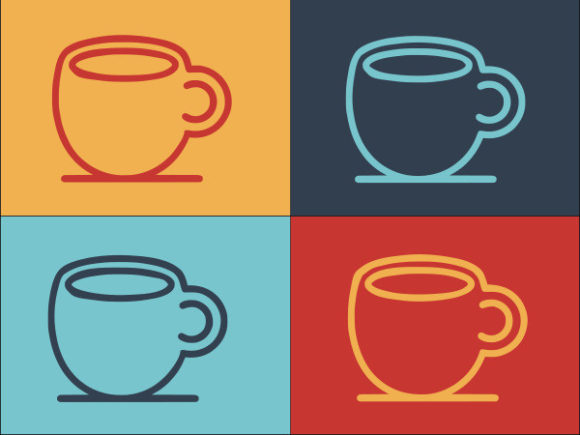
The Money Cup Embroidery Design: A Designer's Hands-On Review
As someone who has spent years embroidering everything from boutique aprons to custom baby blankets, I have a simple rule: a great design file must feel like a tool, not just a decoration. When I evaluate something like the Money Cup design for a real project, I'm thinking about how it will translate through the needle, how a customer will perceive it on a finished product, and where it will truly shine.
First Impressions: Elegance with a Modern, Quiet Confidence
The immediate mood of the Money Cup is one of clean, modern sophistication. It's not loud or overly decorative; its strength lies in its sleek, versatile shape. The layout feels balanced, and the detail level is thoughtful—it has a visual personality that is both stylish and intelligible, which is crucial for embroidery where overly complex lines can become muddy in stitching.
This design naturally belongs to projects that call for a touch of refined branding or personalized elegance. It wouldn't feel out of place on a high-quality tote bag for a small shop, nor would it overwhelm a delicate pillow cover meant as a wedding gift. Its theme is versatile enough to be interpreted as a symbol of success, a coffee shop logo, or simply a chic decorative element.
The Real-Life Embroidery Scenario: Crafting a Boutique Tote Bag
Let's walk through a typical use case. I'm preparing a limited-run embroidered tote bag for a small business client who sells handcrafted goods. They want a logo that feels professional but not corporate. I open the Money Cup file and start visualizing it stitched.
On a natural canvas tote, this design would stitch out with clean lines. The elegance translates well into satin stitch borders and smart fill stitch areas, provided the stitch density is managed well. I imagine it in a deep navy or charcoal thread—the contrast would be striking. The finished product would carry a sense of value and trust; it looks intentional and designed, not generic. For an Etsy seller or a craft fair product, this level of polished presentation directly impacts buyer engagement and the perceived quality of the handmade item.
Where This Design Performs Exceptionally Well
Given its clean and modern structure, the Money Cup excels in several real-life embroidery situations. It's a strong candidate for custom apparel like minimalist sweatshirts or branded caps where clarity is key. As an embroidered patch, it would hold its shape beautifully. For personalized gifts such as kitchen towels or nursery decor items, its stylish yet uncluttered look feels special without being overly sentimental. It also works seamlessly as a graphic asset for printable mockups or digital product previews, helping creative entrepreneurs showcase their offerings.
Practical Considerations & Areas for Careful Use
No design is universally perfect for every substrate, and a professional review must note where caution is needed. The Money Cup, with its presumably smooth lines and likely some finer details, should be approached carefully on certain surfaces.
On very textured fabrics like some blankets, or on stretchy fabric without proper stabilizer, the elegance of the shape could be compromised. Embroidering it on dark fabrics requires excellent thread color contrast planning to maintain its visual clarity. Applying it to curved surfaces like caps demands attention to how the design’s layout adapts to the curve. If the design contains any tiny lettering or extremely dense stitch areas in the file, those would need to be inspected and potentially adjusted for small hoop sizes to avoid puckering or loss of detail.
For products that will undergo frequent washing, like baby clothes or aprons, the stitch integrity of the finer elements must be robust. Always test on scrap fabric first.
How This Design Elevates Your Finished Product
Using a design with this aesthetic caliber directly affects your project's outcome. It boosts visual appeal through smart composition. It enhances stitching clarity by avoiding unnecessary complexity. For a small business, it contributes to brand consistency across different items—from an embroidered tea towel to a shop apron. As a personalized gift or holiday gift, its modern vibe increases its giftability and recognition. Ultimately, it lends a professionalism that makes a handmade product feel commercially viable and thoughtfully crafted.
Embroidery Designer Notes: Your Pre-Stitch Checklist
Before you commit this design to a client project or your next craft business product, here’s my practical workflow advice.
- First, if the file is an SVG as mentioned, its compatibility with common design software is a bonus for customization. But as an embroidery designer, your primary concern is how it converts or is used for machine embroidery.
- Always, always stitch a test run on a scrap of your intended fabric. This reveals true stitch density, thread behavior, and any small detail issues.
- Check thread color contrast rigorously. Run the design through black and white mockups to see how it holds its form without color.
- Compare how it looks on both light and dark fabric backgrounds in your software preview.
- Confirm your hoop size can accommodate the design comfortably, especially if you plan to resize.
- Use the appropriate stabilizer for your fabric type to preserve that elegant, modern look.
- Crucially, verify the licensing terms of this graphics product before selling any finished items or commercial embroidery projects. The product description notes it's a logo template, so clarify its use for personal and commercial projects.
Remember, a great embroidery file like the Money Cup is a starting point. Your skill in pairing it with the right materials, thread, and project context turns it into a finished product that resonates. It’s a design that, when applied thoughtfully, doesn’t just sit on the fabric—it belongs to it, elevating the entire piece.