Testing Line Cup Clipart for Graphics and Online Freebies
When you run a shop selling digital products, every graphic you add to your library needs to pass a business test. It’s not just about whether it looks nice; it’s about whether it can reliably become part of a sellable product. I’m reviewing the Line Cup Clipart from that exact perspective, as if I’m preparing a new collection for my Etsy store or a seasonal bundle for a creative marketplace.
First Impressions and Market Fit
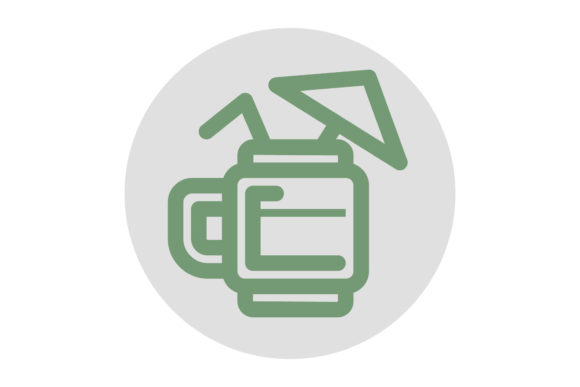
The first thing I notice is the mood. This line art style feels clean, modern, and versatile. It leans towards a decorative, almost minimalist personality that could appeal to a broad audience. It’s not overly cute or rustic; it carries a commercial feel that works for everyday products, not just seasonal niches. This kind of illustration could attract customers looking for simple, elegant designs for their home, their small business branding, or their personal crafting projects. The visual style suggests it would pair well with both feminine and unisex product themes.
Real-World Applications for Sellers
For a seller, the practical question is: what can I actually make with this? The asset comes packaged as five digital files: an AI, EPS, SVG, and JPG file, all on a 1920px by 1280px canvas. This format variety is crucial for commercial design work. Here’s how I envision putting Line Cup Clipart to use.
Primary Uses for Product Creation
The SVG file is immediately valuable for physical goods. I could see this becoming a Cricut project, like a detailed sticker design or a cut-out for a scrapbooking kit. The clean lines are promising for t-shirt graphics or mug designs via sublimation. The JPG and scalable vector files make it a strong candidate for printable wall art, greeting cards, and elements within invitation templates. Its simplicity means it can act as a decorative anchor in a Canva template for social media graphics or blog graphics, allowing sellers to offer editable designs.
Supporting Product Presentation
Beyond the final product, this graphic design asset can enhance how you present your own digital products. Using the high-resolution JPG in a product mockup for a listing image adds perceived value. It can improve thumbnail appeal on platforms like Creative Fabrica or Shopify. Including it in a themed bundle—like a kitchen-themed digital paper pack—helps with visual storytelling and brand consistency across a collection. A well-integrated design in your mockups builds customer trust and can increase click-through potential.
Where This Asset Works Best
The strengths of Line Cup Clipart become clear in specific applications. It excels in large product previews where the detail is visible. It’s ideal for themed bundles—think a “morning coffee” collection with matching graphics. Its decorative nature suits printable products like planner stickers or nursery prints where a single illustration can be a focal point. For merchandise graphics on tote bags or tumbler wraps, the scalable vectors ensure quality at any size. It’s a solid choice for populating your own creative marketplace listings with compelling visuals.
Cautions and Considerations
Every asset has limits, and a realistic review must note them. This design should be used carefully for tiny sticker details; fine lines might not cut cleanly on a Cricut if reduced too much. Avoid placing it in overly complex layouts where its simplicity gets lost. While the resolution is good, verify it for low-resolution print products if you plan to scale it down significantly. In crowded thumbnails, it might not stand out without strong contrast. Test it on both white and dark backgrounds to ensure it reads well. For products requiring clean cutting lines, always inspect the SVG file quality before finalizing a listing.
Practical Seller Notes Before Publishing
Before I list any product using this clipart, I run a standard checklist.
- Test the design on real product mockups—a mug, a t-shirt, a wall art frame.
- Preview it as a marketplace thumbnail to see if it grabs attention.
- Check how the JPG looks on both white and dark backgrounds for versatility.
- If selling physical goods, test print colors to ensure they match expectations.
- Verify the PNG transparency if you create a derived file for layered designs.
- For SVG-based products, inspect the cut quality in your cutting software.
- Confirm the 1920px resolution is sufficient for your intended digital download products.
- Organize the source files clearly if you bundle them for customers.
- Experiment pairing it with different font styles: a sleek sans serif for a modern look, a script font for elegance, or a bold display font for emphasis.
- Most critically, confirm the commercial license allows you to sell the finished products you create.
Building a Professional Collection
The ultimate value of a graphic like Line Cup Clipart is how it lifts your entire shop. A consistent, quality design asset helps build a cohesive brand identity. It allows you to offer a range of products—from sublimation designs to Canva templates—with a unified visual hierarchy. For a handmade business or a small business branding effort, this reliability matters. It transforms a single freebie graphic into a foundation for a professional-looking online product collection.
In summary, from the point of view of an experienced digital product creator, this asset is a practical, versatile tool. Its multi-format offering and clean style make it a safe bet for many commercial applications. The key is to test it rigorously in your specific product contexts and understand its limits. When used thoughtfully, it can become a dependable part of your inventory, helping you create sellable products that look polished and cohesive.