Evaluating the Valentine Vector Cup for Real-World Embroidery Projects
The First Look: Warm, Simple, and Readily Adaptable
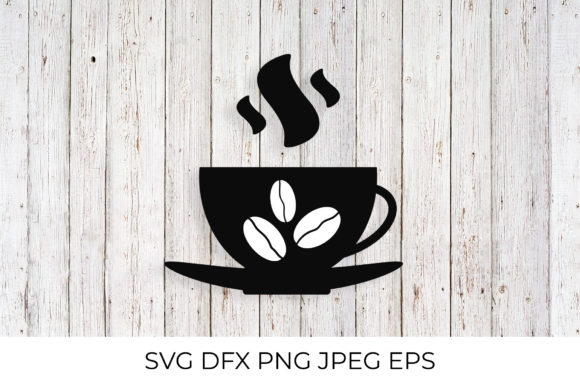
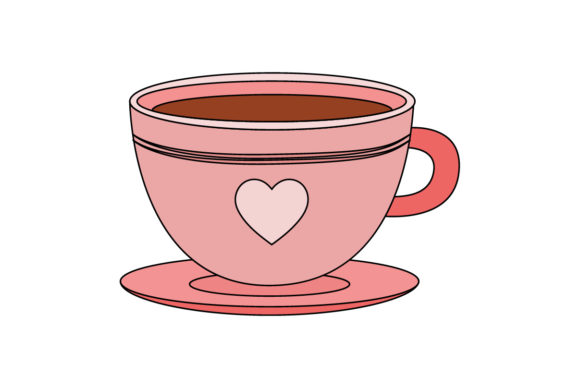
Opening the Valentine Vector Cup design, my immediate impression is one of warmth and straightforward charm. The central cup icon, paired with the clear, unfussy typography, creates a mood that’s both affectionate and a bit playful. It doesn’t scream with elaborate detail; instead, it feels like a quiet, confident statement. This visual personality is a good sign for embroidery. It suggests a design that won’t get lost in translation from screen to stitch. The layout is balanced, and the detail level appears intentionally moderate—no tiny, impossible-to-stitch flourishes. This isn’t a design for a complex, gallery-worthy wall hanging. It naturally belongs to the world of personalized gifts and everyday handmade products. I can already picture it on a cozy kitchen towel, a baby’s soft blanket, or the breast of a classic cotton sweatshirt.
A Practical Fit for Everyday Projects
Let’s walk through a real scenario. Imagine you’re preparing a custom embroidered tote bag for a Valentine’s Day craft fair or an Etsy listing. The Valentine Vector Cup design lands right in that sweet spot. Its theme is universally understood, and its scale is adaptable. For a tote bag, you could resize it to be a prominent, central feature without worrying about intricate details breaking down. The ‘Valentine’ text is large enough to maintain excellent stitching clarity, which is crucial for customer perception. A clean, readable stitch on a finished product directly boosts its perceived value and trust in your craftsmanship. For a small business owner selling handmade aprons or pillow covers, this design offers a friendly, professional touch that enhances brand consistency for holiday-themed merchandise.
Beyond apparel and bags, think of it as a subtle accent on nursery decor, a sweet touch on a tea towel for a wedding gift basket, or even as a simple patch on a cap. The design’s strength is its versatility within the illustrations and graphics category. Because it’s described as a vector file, openable, editable, and resizable without losing quality, the practical implications are significant. You can confidently enlarge it for a blanket or shrink it for a delicate baby bib corner, knowing the lines will remain crisp. This scalability is a core asset for any embroidery designer juggling multiple product types.
Where Careful Consideration is Needed
While the Valentine Vector Cup is adaptable, its application requires some practical judgment. The very feature that makes it strong—its clean, bold shapes—could pose challenges on certain fabrics and contexts. On highly textured fabrics like some sweaters or loop towels, the solid areas of the cup might not stitch out with perfect smoothness. On thin or stretchy fabrics, the stitch density, which I haven’t been provided, becomes critical; too dense a fill stitch could cause puckering. Always test on scrap fabric first.
Dark fabric backgrounds are another key consideration. The design likely relies on positive space (the cup and text). On a dark garment, you’d need high-contrast thread colors, possibly a white or light pink, to maintain its visual appeal. Layered garments, like a fleece-lined sweatshirt, demand proper stabilizer choice to keep everything flat. Embroidering on curved surfaces like caps requires checking how the circular cup icon distorts around the curve—you might need to adjust the rotation slightly. And while the lettering looks readable, always inspect the small details in a black-and-white mockup first to ensure the ‘Vector Cup’ text, especially if scaled down, doesn’t become a blur of satin stitches.
Turning a Digital File into a Trustworthy Finished Product
The journey from this digital embroidery file to a product a customer loves hinges on a few deliberate steps. For crafters and apparel decorators, the design’s simplicity aids in handmade presentation. It looks intentional and clean, not overcrowded. This boosts giftability—a recipient immediately gets the sentiment. For commercial embroidery projects, it supports professionalism and buyer engagement because it’s easily recognizable and aesthetically pleasing.
My practical notes for you: After resizing for your specific hoop size, always check thread color contrast against your final fabric. Run a test stitch to review stitch density and the behavior of fill stitches in the cup icon. Compare how it looks on both light and dark fabric backgrounds in your software preview. Crucially, since the product description mentions suitability for logos, illustrations, and T-shirt designs, confirm the licensing terms before selling finished items or incorporating it into commercial design assets for your craft business. The description doesn’t specify commercial use, so that verification is your responsibility.
The Final Stitch: A Reliable, Heartfelt Asset
In my evaluation, the Valentine Vector Cup stands as a reliable, heartfelt asset for makers. It won’t overwhelm a project with complexity, but it will deliver a clear, warm message. It’s a design that fits seamlessly into the workflow of creating personalized gifts, boutique products, and small shop merchandise. Its vector nature gives you the freedom to adapt it without fear of quality loss, making it a practical choice for everything from a delicate baby embroidery to a sturdy tote bag design.
Ultimately, its success in any embroidery project—whether a holiday embroidery for a gift or a standard offering in your Etsy store—will come from your thoughtful application. Pair it with the right fabric, the right stabilizer, and the right thread, and it will stitch out as a clean, engaging piece that feels both handmade and professionally conceived. It’s a graphics file that, with care, translates beautifully into the tactile world of stitches and textiles.