Evaluating the Mom Icon Cup Fill Design for Real Projects
Whenever I'm considering a new embroidery design for my client work or my own product line, my first question is always about its practical character. Does it have the visual personality and technical integrity to translate beautifully from a digital file to a stitched, tangible product? The Mom Icon Bring Cup Fill Design Creative is a design that immediately caught my eye for its specific, charming theme, and I wanted to share my thoughts from the perspective of an embroidery designer who's actually going to put it into a hoop.
A Warm, Nostalgic First Impression
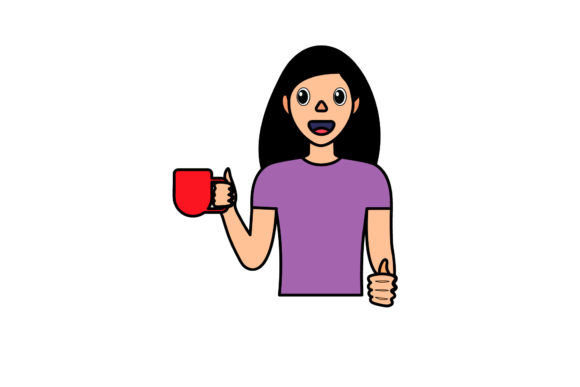
The mood this graphic creates is its strongest selling point. It's not a generic heart or flower; it's a specific scene of care. The filled cup icon feels nostalgic and personal, evoking a quiet moment of kindness. For embroidery, that's gold. It tells a story without words, which makes it perfect for personalized gifts and items meant to convey sentiment. The layout is clean and iconic, which means it won't feel cluttered when stitched out. The detail level looks balanced—enough visual interest to be engaging, but not so dense that it becomes a stitching challenge on smaller items.
Where This Design Naturally Belongs
I can immediately picture this on a cozy, washed-cotton apron for a Mother's Day gift, or subtly placed on the corner of a linen tea towel. It would shine as a single, central motif on a canvas tote bag, becoming a boutique-style statement. For baby clothes or nursery decor, it offers a gentle, non-cartoonish option that appeals to parents looking for something more artistic. As an embroidered patch, it could be applied to a journal cover or a blanket, adding that handmade touch. In my mind, it leans towards products that are intimate, giftable, and carry a sense of handmade warmth.
Performance in Real-Life Embroidery Situations
Thinking about actual application, the clean lines and defined shapes of this design suggest it should stitch out with good clarity. On custom apparel like a soft sweatshirt or a crisp polo, it would act as a tasteful accent rather than a loud graphic, potentially increasing the perceived value of the garment. For small business merchandise, such as items in an Etsy shop or craft fair table, this kind of design builds brand consistency through a recognizable, emotional aesthetic. It’s the type of image that makes a product feel considered and professional.
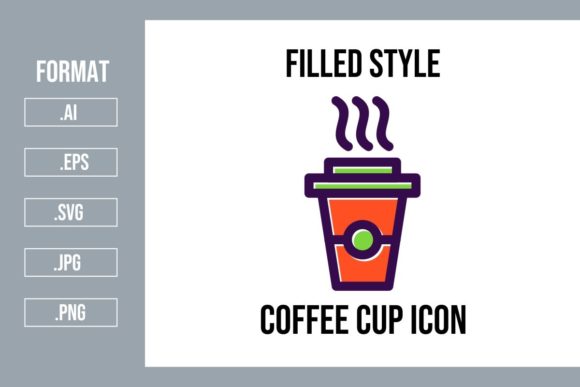
Using it for digital product previews or printable mockups is straightforward given the file format range provided. The availability of vector files like SVG and EPS is a major plus for scalability and commercial use, allowing resizing without quality loss for different embroidery projects. This versatility supports everything from a tiny cap logo to a larger pillow cover design.
Caution Areas: Where to Test Carefully
Like any design, this one has points that require a bit of forethought. The smaller interior details—like the cup handle and the fill lines—need attention. On very textured fabrics like some towels, or on stretchy fabric like t-shirts, those fine lines might need a careful choice of stitch density and a good, firm stabilizer to remain crisp.
I would be cautious using it in very small hoop sizes unless I simplified the detail level in my machine software. Embroidering it on dark fabric would require a thoughtful thread color contrast plan—perhaps a cream or light grey fill to maintain the soft mood. On curved surfaces like caps, the circular icon shape is generally friendly, but testing on scrap material first is non-negotiable to check for any distortion.
For products destined for frequent washing, like kitchen items or baby wear, ensuring the stitch coverage is solid enough to withstand wear is key. A satin stitch border might be more durable than a fine running stitch for the outline, depending on the machine embroidery file interpretation.
The Impact on Your Craft Business and Customer Trust
From a commercial and creative perspective, using a design with this much inherent charm affects more than just the stitch. It elevates the visual appeal of your finished product, making it stand out in a marketplace flooded with generic graphics. For a customer, seeing this on a handmade item creates an instant emotional connection—it feels giftable and special. That boosts buyer engagement and can turn a simple embroidered item into a cherished keepsake.
For creative entrepreneurs, it provides a versatile design asset that can be adapted across product lines—from embroidery to perhaps accompanying printed tags or packaging. Its professionalism, when executed well with clean stitching, reinforces customer trust in your craftsmanship. It shows you select designs with purpose.
Practical Notes for the Embroidery Designer
Before loading this file into my machine, my routine would involve a few critical steps. First, I always test the design on scrap fabric identical to my final project fabric. This reveals how the fill stitch areas behave and whether any corners need adjustment. I check thread color contrast by viewing the design in both black and white printable mockups to plan for light and dark backgrounds.
Given the multiple file formats, I would confirm which specific embroidery file format is compatible with my machine and software, and ensure the provided canvas size translates to a suitable physical hoop size for my intended use. Crucially, I would confirm licensing before selling finished items. The description notes it's available for commercial use, but I always double-check the specifics for my craft business or digital product sales to avoid any issues.
Finally, I'd inspect the small details in the graphic at high magnification to anticipate any potential stitching challenges, ensuring my final embroidered patch or custom apparel reflects the design's charming intent perfectly. That’s the real goal: to take a lovely digital icons and graphics file like the Mom Icon Bring Cup Fill Design Creative and turn it into an even more lovely, tactile piece of work.